




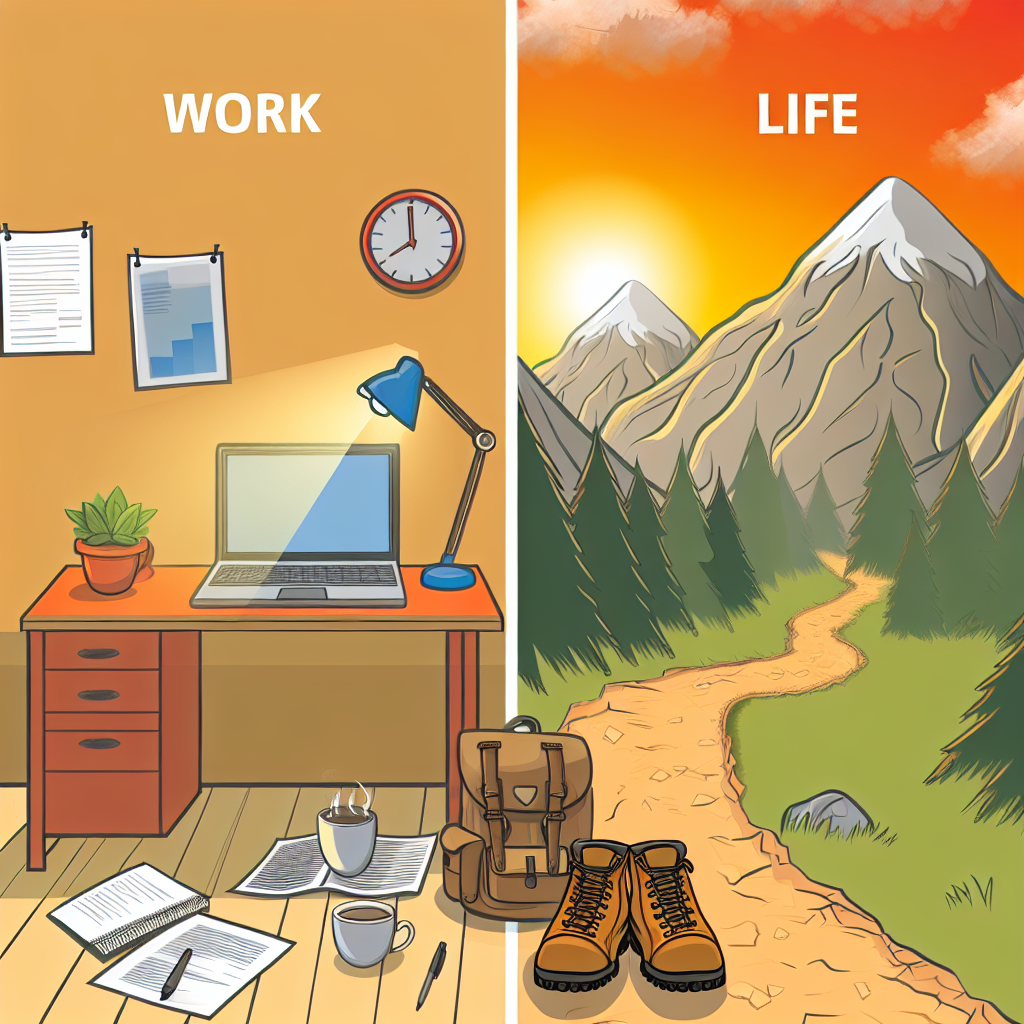
The Pull of Two Worlds: Work and Wanderlust
Life often feels like a tug-of-war. On one side, we have work: deadlines, meetings, and responsibilities. On the other, there’s the exciting urge for spontaneous adventures. A weekend getaway, a last-minute concert, or simply trying a new restaurant. How do we find a balance between these two?
It’s a common struggle. We want to be responsible and succeed in our careers, but we also crave the joy of unexpected experiences. The key is learning how to weave spontaneity into the fabric of our structured lives. It’s not about choosing one over the other, but finding harmony.
Why is Balance Important?
Trying to live only for work leads to burnout. Constant stress and lack of fun can hurt your health and creativity. On the flip side, being too spontaneous without considering your commitments can lead to chaos and anxiety.
A good balance helps us:
- Reduce stress
- Boost creativity
- Improve relationships
- Increase overall happiness
- Feel more fulfilled
When we’re able to experience both structure and freedom, we’re more likely to feel content and energized.
Strategies for Balancing Work and Spontaneity
So, how do we actually do it? Here are some practical tips:
1. Plan Your Time Wisely
Sounds counterintuitive for spontaneity, right? But a little planning can actually free you up. Look at your schedule and identify potential pockets of free time. Can you block off a Friday afternoon once a month for an adventure? Or dedicate every other Saturday for exploring something new?
Use a planner, calendar app, or even just a simple notebook. Visualizing your week helps you see where you have flexibility.
2. Prioritize and Delegate
Learn to say no to commitments that aren’t essential. Can someone else handle that task at work? Is that meeting truly necessary? By prioritizing your tasks, you can free up time for more enjoyable activities. Delegation at work and at home frees up precious moments.
3. Embrace Micro-Adventures
Spontaneity doesn’t always mean grand gestures. It can be as simple as trying a new coffee shop on your lunch break, taking a different route home from work, or striking up a conversation with a stranger. Small bursts of spontaneity can add excitement to your daily routine without disrupting your schedule.
4. Be Flexible with Your Plans
Sometimes, even the best-laid plans fall through. A work emergency might pop up, or the weather might not cooperate. The key is to be flexible. Have a backup plan in mind. If you can’t go on that weekend hike, perhaps you can visit a local museum instead.
5. Communicate Your Needs
Let your colleagues and family know that you value both your work and your personal time. This helps set expectations and reduces the likelihood of unexpected disruptions. Open communication makes everyone’s life easier.
6. Schedule “Spontaneous” Time
This might seem like an oxymoron, but it works! Designate a certain amount of time each week for unplanned activities. Leave the details open. This allows you to be open to possibilities without feeling guilty about neglecting your responsibilities. For example, every Sunday from 2pm-5pm is free for whatever arises.
7. Disconnect to Reconnect
Put away your phone and laptop when you’re trying to be spontaneous. Fully immerse yourself in the experience. Social media can wait. Being present in the moment is essential for truly enjoying any adventure, big or small.
The Benefits of a Balanced Life
Finding the sweet spot between work and spontaneity is a journey, not a destination. There will be times when one takes precedence over the other. But by consciously striving for balance, you’ll create a more fulfilling and enjoyable life.
You’ll feel less stressed, more creative, and more connected to yourself and the world around you. So, embrace the chaos, plan your adventures, and find your own rhythm.
To enhance your spontaneous adventures, consider exploring some cool gadgets that can make your experiences even more exciting. Check out Mavigadget’s collection of outdoor gadgets for inspiration on your next trip!
“`


