




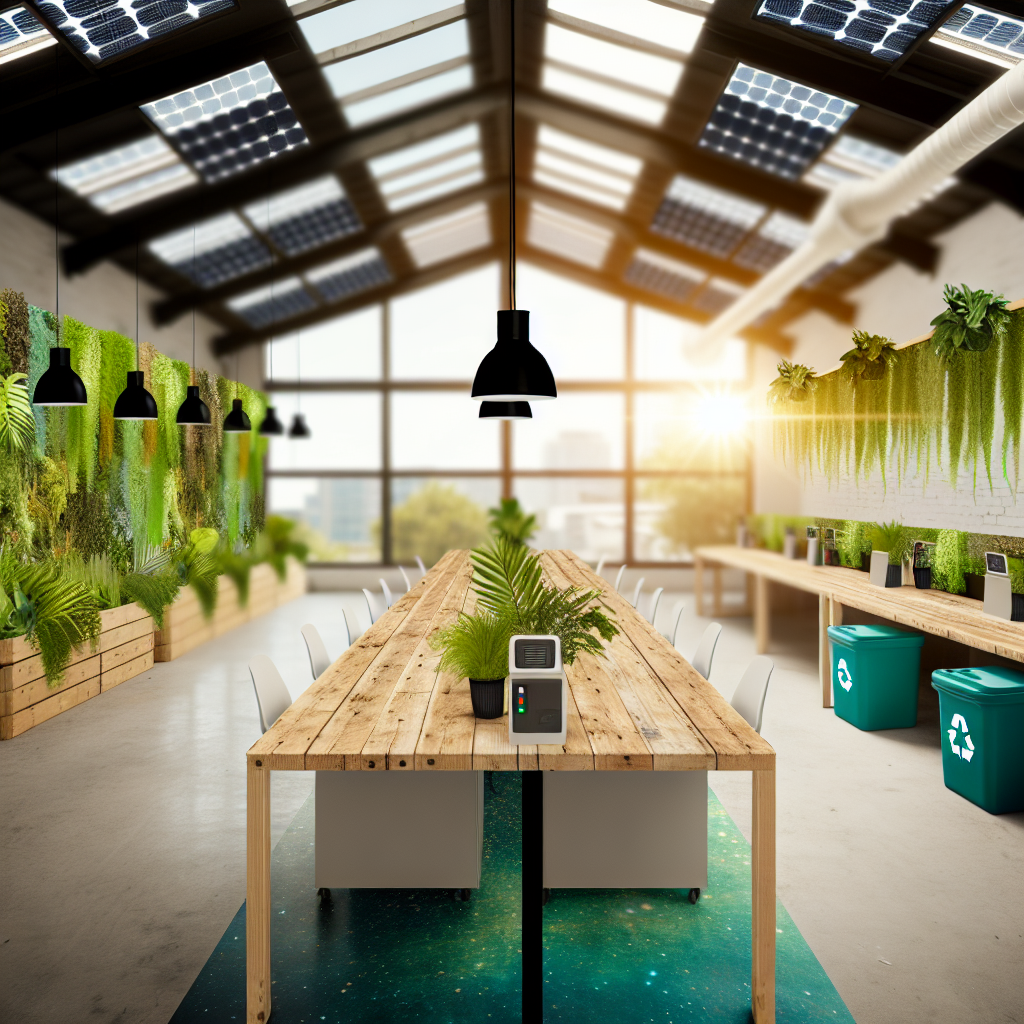
Creating a Sustainable Coworking Space: Design Ideas
More and more people care about the environment. That’s why sustainable coworking spaces are becoming popular. Using eco-friendly materials in your coworking space isn’t just good for the planet. It also makes your space more attractive to people who value sustainability.
Why Go Green in Your Coworking Space?
There are many reasons to choose sustainable materials. First, it reduces your environmental impact. Second, it creates a healthier indoor environment. Third, it can actually save you money in the long run. Finally, it appeals to a growing number of eco-conscious workers.
Choosing the Right Sustainable Materials
Selecting the right materials is key to creating a truly sustainable space. Let’s explore some popular options:
Bamboo: A Versatile Option
Bamboo is a fast-growing, renewable resource. It’s strong, durable, and looks great. Use it for flooring, furniture, or even wall coverings. Bamboo adds a natural and warm touch to any space.
Reclaimed Wood: Giving Materials a Second Life
Reclaimed wood comes from old buildings, barns, or even fallen trees. Using reclaimed wood reduces the demand for new lumber. It also adds character and a unique story to your coworking space. Think about using it for desks, shelves, or accent walls.
Recycled Materials: Closing the Loop
Many materials can be recycled and reused. Look for furniture made from recycled plastic or glass. Consider using recycled content carpeting or tiles. Choosing recycled materials helps reduce waste and conserves resources.
Cork: Naturally Sustainable and Sound Absorbing
Cork is harvested from the bark of cork oak trees. The trees aren’t harmed in the process, making cork a truly sustainable choice. It’s also naturally sound-absorbing, making it perfect for busy coworking spaces. Use it for flooring, wall coverings, or even bulletin boards.
Linoleum: A Natural and Durable Flooring Choice
Don’t confuse linoleum with vinyl. Linoleum is made from natural materials like linseed oil, cork dust, and wood flour. It’s durable, easy to clean, and comes in a variety of colors and patterns. It’s a great option for high-traffic areas.
Implementing Sustainable Design Principles
Choosing sustainable materials is just one piece of the puzzle. Consider these design principles to maximize your space’s eco-friendliness:
Natural Light: Reducing Energy Consumption
Maximize natural light to reduce your reliance on artificial lighting. Position desks near windows and use light-colored paint to reflect light throughout the space. Natural light improves mood and productivity.
Energy-Efficient Lighting: LEDs are Key
Switch to LED lighting. LEDs use significantly less energy than traditional light bulbs. They also last much longer, reducing the need for replacements. Consider using motion sensors to automatically turn off lights in unoccupied areas.
Ergonomic Furniture: Comfort and Sustainability
Choose ergonomic furniture made from sustainable materials. Ergonomic chairs and desks can improve posture and reduce discomfort. Look for furniture certified by reputable organizations.
Plants: Bringing Nature Indoors
Add plants to your coworking space. Plants purify the air, reduce stress, and create a more inviting environment. Choose low-maintenance plants that thrive indoors.
Water Conservation: Simple Steps Make a Difference
Install low-flow faucets and toilets to conserve water. Encourage employees and members to be mindful of their water usage. Small changes can add up to significant savings.
Sourcing Sustainable Materials
Finding the right suppliers is crucial. Look for companies that are transparent about their sourcing practices and certifications. Here are a few tips:
Research Suppliers: Look for Certifications
Research potential suppliers and look for certifications like LEED (Leadership in Energy and Environmental Design) or FSC (Forest Stewardship Council). These certifications ensure that the materials meet certain sustainability standards.
Ask Questions: Transparency is Key
Don’t be afraid to ask suppliers questions about their materials and processes. A reputable supplier will be happy to provide information about their sustainability practices.
Consider Local Suppliers: Reducing Transportation Costs
Consider sourcing materials from local suppliers to reduce transportation costs and support local businesses. This also helps reduce your carbon footprint.
Measuring Your Impact
Track your progress to see how your sustainable choices are making a difference. Measure your energy and water consumption. Monitor your waste production. Share your results with your employees and members to encourage further participation.
Regular Audits: Identifying Areas for Improvement
Conduct regular audits to identify areas where you can further improve your sustainability efforts. This could involve switching to more efficient appliances, reducing waste, or implementing new energy-saving measures.
Feedback: Involve your Community
Solicit feedback from your coworking community about their sustainability concerns and suggestions. Involving them in the process can lead to new ideas and a greater sense of ownership.
Sustainable Coworking: A Win-Win
Creating a sustainable coworking space is a win-win for everyone. It’s good for the environment, good for your business, and good for your members. By choosing sustainable materials and design principles, you can create a healthier, more inspiring, and more attractive workspace. Remember to explore innovative gadgets that align with your eco-friendly vision, such as those found in the Mavigadget collection of sustainable living gadgets, to further enhance your commitment to a greener workspace.
“`


