




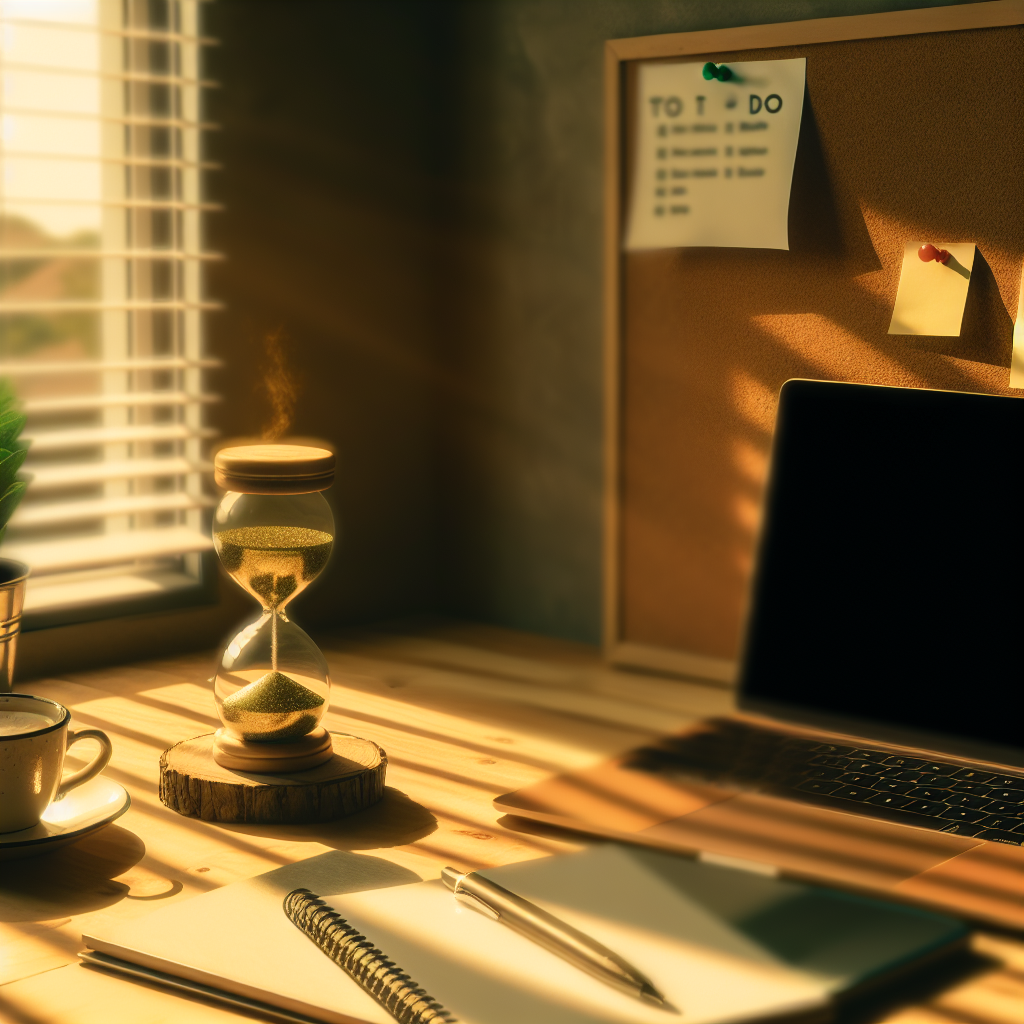
Why Do We Procrastinate When Working Alone?
It’s easy to put things off when you’re working by yourself. No boss is looking over your shoulder, and deadlines might seem far away. But why does this happen? A lot of it comes down to how we feel about the task itself. Sometimes, we procrastinate because we think a task is boring, too hard, or just plain unpleasant. When we’re alone, we don’t have social pressure pushing us to get things done, so it’s simpler to choose something more fun in the moment.
Another reason is fear. We might worry about failing, or that the final product won’t be good enough. This anxiety can lead us to avoid starting at all. Perfectionism also plays a role. We want everything to be perfect, so we delay starting until we feel “ready,” which might never happen.
Easy Tips to Beat Procrastination
Here are some simple strategies you can use to overcome procrastination and start getting things done, even when you’re working alone:
1. Break It Down
Large tasks can seem overwhelming. Instead of looking at the whole project, divide it into smaller, more manageable steps. For example, if you need to write a report, break it down into: research, outline, write introduction, write body paragraphs, write conclusion, and edit. These smaller tasks feel less daunting and easier to start.
2. Set Realistic Goals
Don’t try to do everything at once. Set small, achievable goals for each day or week. When you reach those goals, you’ll feel a sense of accomplishment, which will motivate you to keep going. Avoid setting unrealistic expectations that set you up for failure.
3. Use Time Management Techniques
Time management is key. The Pomodoro Technique is a popular option. Work in focused bursts (like 25 minutes) followed by a short break (like 5 minutes). After four “pomodoros,” take a longer break. This helps you stay focused and prevents burnout.
Another method is time blocking. Schedule specific blocks of time for certain tasks. Treat these blocks like appointments you can’t miss. This provides structure and ensures you dedicate time to important activities.
4. Eliminate Distractions
Distractions are procrastination’s best friend. When working alone, you’re in charge of your environment. Turn off social media notifications, close unnecessary tabs on your computer, and find a quiet workspace. If you’re easily distracted by noise, consider using noise-canceling headphones or listening to calming music.
- Turn off notifications on your phone and computer.
- Close unnecessary tabs and applications.
- Find a quiet workspace.
- Use noise-canceling headphones.
5. Reward Yourself
Positive reinforcement can be a powerful motivator. Promise yourself a small reward for completing a task or reaching a goal. This could be anything from a short break to watch a funny video, to treating yourself to your favorite snack. The reward gives you something to look forward to and makes the work feel less like a chore.
6. Find an Accountability Partner
Even though you’re working alone, you don’t have to be completely isolated. Find a friend, family member, or colleague who will check in on your progress. Share your goals with them and ask them to hold you accountable. Knowing that someone else is expecting you to get things done can be a strong motivator.
7. Practice Self-Compassion
Everyone procrastinates sometimes. Don’t beat yourself up about it. Instead, practice self-compassion. Acknowledge that you’re struggling, remind yourself that it’s okay, and then gently redirect your focus back to the task at hand. Negative self-talk will only make things worse.
8. Change Your Environment
Sometimes, a change of scenery can do wonders. If you always work in the same place, try moving to a different room, going to a coffee shop, or working outside (weather permitting). A new environment can help you feel refreshed and more motivated.
9. Tackle the Toughest Task First
Eat the frog! Get the most difficult or unpleasant task out of the way first thing in the morning. Once it’s done, everything else will feel easier. This approach can boost your momentum and set a positive tone for the rest of the day.
10. Use Visual Reminders
Write down your goals and put them where you can see them. A simple sticky note with a reminder can be surprisingly effective. You can also create a vision board with images that represent your goals. These visual cues will help you stay focused and motivated.
Overcoming Mental Blocks
Sometimes, procrastination stems from deeper issues like anxiety or lack of motivation. Here’s how to tackle those:
Address Anxiety
If anxiety is causing you to procrastinate, try relaxation techniques like deep breathing, meditation, or yoga. If your anxiety is severe, consider seeking professional help from a therapist or counselor.
Boost Motivation
Think about the reasons why the task is important to you. What are the long-term benefits of completing it? Remind yourself of your goals and values. If you’re still struggling, try to find ways to make the task more interesting or enjoyable.
Staying Consistent
Beating procrastination is an ongoing process. It takes time and effort to develop new habits. Don’t get discouraged if you slip up occasionally. Just keep practicing these tips and you’ll gradually become more productive and efficient.
Remember, consistency is key. Even small steps forward each day will add up to significant progress over time. Focus on building sustainable habits that will help you achieve your goals in the long run.
Overcoming procrastination when working alone takes self-awareness and a set of practical strategies. By breaking down tasks, setting realistic goals, managing your time effectively, and eliminating distractions, you can boost your productivity and achieve your objectives. For more tools that might help you focus and stay on track, check out this selection of cool office gadgets from Mavigadget. Good luck!
“`


