




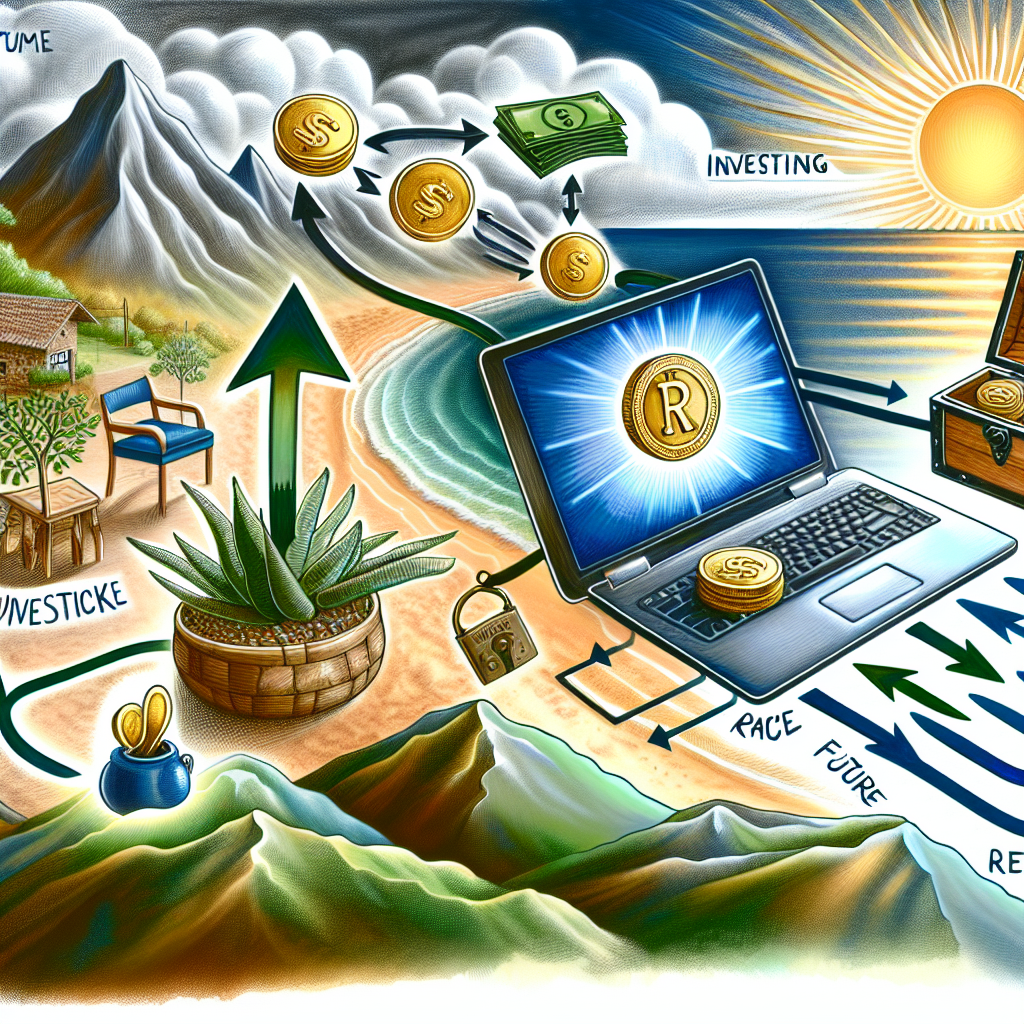
Investing in Your Future: A Remote Worker’s Guide
Remote work offers amazing freedom. You can work from almost anywhere. But it also means you’re in charge of your financial future. Investing wisely is key. Let’s explore how to build a secure future while enjoying the remote lifestyle.
Why Invest When You Work Remotely?
Remote work often means fluctuating income. One month might be great, another less so. Investing helps smooth things out. It builds a safety net for unexpected expenses. It also sets you up for long-term financial goals like retirement or buying a home.
Smart Saving Strategies
Saving is the first step to investing. It’s about building a foundation of cash that you can then use to grow your wealth.
Creating a Budget
Know where your money goes. Track your income and expenses. Many apps and spreadsheets can help. Once you see your spending habits, you can identify areas to cut back. Even small savings add up over time.
Automate Your Savings
Set up automatic transfers from your checking account to your savings account. This makes saving effortless. Treat it like a bill you pay to yourself. Even a small amount each month makes a difference.
Emergency Fund First
Before investing, build an emergency fund. Aim for 3-6 months of living expenses. This fund covers unexpected job loss, medical bills, or car repairs. This prevents you from dipping into your investments during a crisis.
Understanding Investments
Investing can seem complicated. But the basic concepts are easy to grasp. Don’t be afraid to start small and learn as you go.
Stocks: Owning a Piece of a Company
Stocks represent ownership in a company. When the company does well, the stock price goes up. Stocks can be volatile, meaning their prices can change quickly. But they also offer the potential for high returns over time.
Bonds: Lending Money to a Company or Government
Bonds are like loans you make to a company or government. They pay you interest over a set period. Bonds are generally less risky than stocks. They offer more stable, but typically lower, returns.
Index Funds and ETFs: Diversification Made Easy
Index funds and ETFs (Exchange Traded Funds) hold a basket of stocks or bonds. They track a specific market index, like the S&P 500. This gives you instant diversification, reducing your risk. They are a great option for beginner investors.
Real Estate: Investing in Property
Real estate can be a solid long-term investment. You can buy property to live in or rent out. Real estate requires more capital and effort than stocks or bonds. But it can provide rental income and potential appreciation in value.
Investing as a Remote Worker: Specific Tips
Remote work presents unique opportunities and challenges for investing. Here are some strategies tailored to the remote lifestyle.
Take Advantage of Location Independence
Remote work allows you to live in areas with a lower cost of living. This frees up more money for saving and investing. Research different locations and consider moving to a place where your money goes further.
Invest in Your Skills
Your earning potential is your greatest asset. Invest in courses, workshops, or certifications that enhance your skills. This makes you more valuable and allows you to command higher rates. Continuously learning is key to thriving in the remote work world.
Freelancer Retirement Accounts
As a remote worker, you’re likely self-employed. Take advantage of retirement accounts designed for freelancers, such as SEP IRAs or Solo 401(k)s. These accounts offer tax advantages and allow you to save for retirement.
Health Insurance Considerations
Remote workers often have to pay for their own health insurance. Factor this cost into your budget. Explore different health insurance options and choose a plan that meets your needs. Consider a Health Savings Account (HSA) for tax-advantaged healthcare savings.
Getting Started: A Step-by-Step Approach
Ready to start investing? Here’s a simple plan:
- Set Financial Goals: What do you want to achieve? Retirement? A down payment on a house? Knowing your goals helps you stay motivated.
- Create a Budget: Track your income and expenses. Identify areas to save.
- Build an Emergency Fund: Aim for 3-6 months of living expenses.
- Open a Brokerage Account: Choose a reputable online broker. Research fees and investment options.
- Start Small: You don’t need a lot of money to begin. Start with a small amount and gradually increase your investments.
- Invest Regularly: Set up automatic investments. This helps you stay consistent and take advantage of dollar-cost averaging.
- Rebalance Your Portfolio: Periodically review your investments and adjust them to maintain your desired asset allocation.
- Stay Informed: Keep learning about investing. Read books, articles, and follow reputable financial experts.
Common Investing Mistakes to Avoid
New investors often make mistakes. Being aware of these pitfalls can help you avoid them.
Trying to Time the Market
Don’t try to predict when the market will go up or down. It’s impossible to do consistently. Focus on long-term investing and ignore short-term market fluctuations.
Investing Based on Emotion
Avoid making investment decisions based on fear or greed. Stick to your investment plan and don’t let emotions cloud your judgment.
Not Diversifying
Don’t put all your eggs in one basket. Diversify your investments across different asset classes and industries. This reduces your risk.
Ignoring Fees
Pay attention to investment fees. High fees can eat into your returns over time. Choose low-cost investment options.
Giving Up Too Soon
Investing is a long-term game. Don’t get discouraged if your investments don’t perform well in the short term. Stay patient and stick to your plan.
The Power of Long-Term Investing
The real magic of investing happens over time. Compound interest allows your money to grow exponentially. The earlier you start, the more time your money has to grow. Even small, consistent investments can make a big difference over the long run.
Building a secure future while working remotely is achievable. It requires planning, discipline, and a willingness to learn. By saving wisely, investing strategically, and continuously developing your skills, you can create a financially secure and fulfilling remote lifestyle. Consider exploring tools that can enhance your work setup. Check out Mavigadget’s gadgets for remote workers collection for ideas to improve your productivity and well-being while you build your financial future.
“`


