




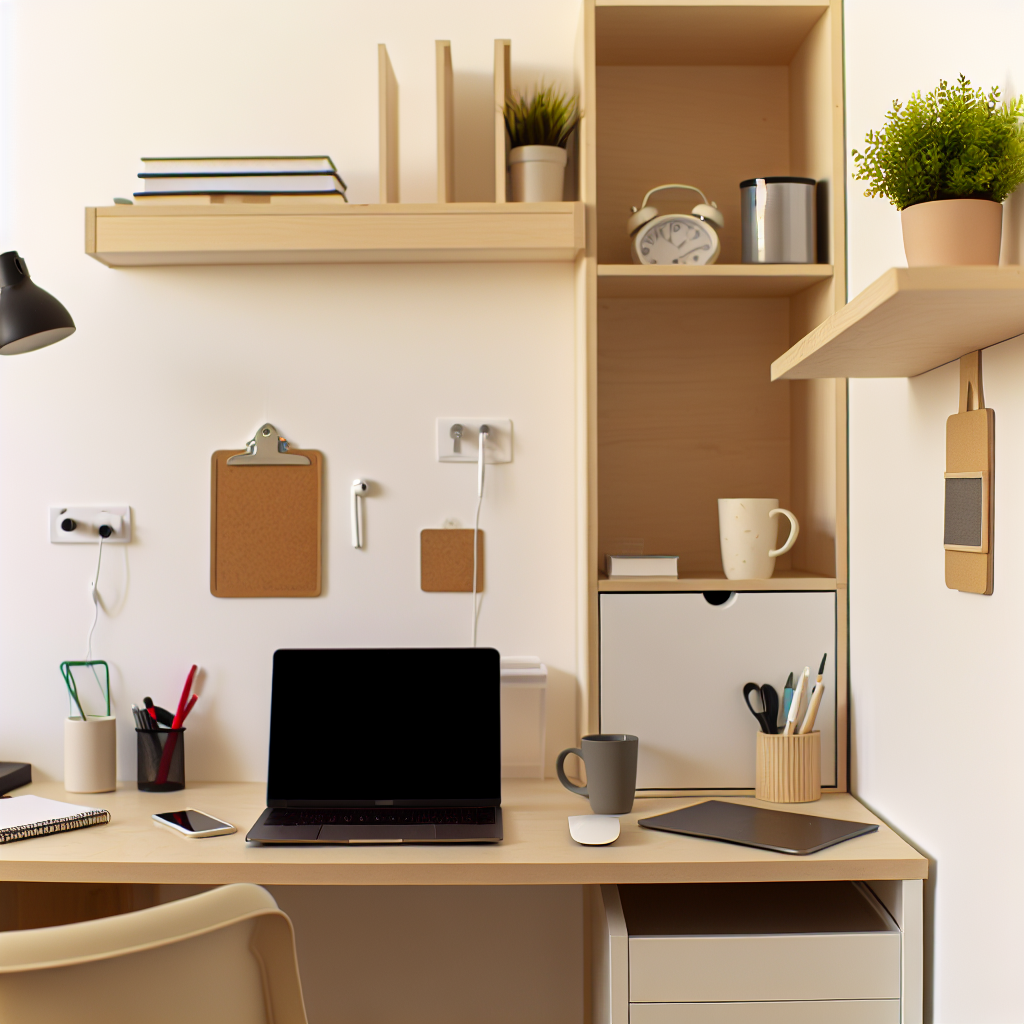
Small Space, Big Productivity: Creating Your Minimalist Workspace
Working from home? Limited on space? You don’t need a huge room to create a fantastic workspace. A minimalist approach can turn even the smallest corner into a productive haven. Let’s explore how to set up a simple, efficient, and clutter-free workspace, even if you’re tight on square footage.
Why Go Minimalist?
A minimalist workspace isn’t just about looking good. It’s about feeling good and working well. Fewer distractions mean better focus. Less clutter reduces stress. A well-organized space can actually boost your creativity and productivity. It’s about creating an environment that supports your work, not hinders it.
Benefits of a Minimalist Workspace:
- Improved focus and concentration
- Reduced stress and anxiety
- Increased productivity and efficiency
- Enhanced creativity
- A more calming and pleasant work environment
Finding the Right Space
Even a small apartment usually has some potential. Look for underutilized areas. Maybe it’s a corner of your living room, a section of your bedroom, or even a converted closet. The key is to choose a space that feels separate from your relaxation areas. This helps mentally separate work from leisure.
Assessing Your Space:
- Consider natural light: Is there a window nearby?
- Think about noise levels: Is it a quiet area?
- Evaluate accessibility: Is it easy to get to and from?
- Measure the space: Know your dimensions before you buy furniture.
Choosing Minimalist Furniture
The right furniture is crucial. Look for pieces that are multi-functional and space-saving. A desk with built-in storage, a foldable chair, or a wall-mounted shelf can make a huge difference. Think vertical! Maximize wall space to keep the floor clear.
Essential Furniture Pieces:
- Desk: Choose a small, simple desk or a standing desk converter.
- Chair: Opt for an ergonomic chair that supports good posture.
- Storage: Use shelves, drawers, or boxes to keep things organized.
- Lighting: A good desk lamp is essential for reducing eye strain.
Decluttering and Organizing
Before you even start setting up, declutter! Get rid of anything you don’t need or use regularly. A minimalist workspace thrives on simplicity. Keep only the essentials within reach. Everything else should be stored away or discarded.
Decluttering Tips:
- Go through everything: Every drawer, every shelf, every item.
- Ask yourself: “Do I really need this?” If not, toss it, donate it, or sell it.
- Create a system: Use labels, containers, and organizers to keep things in place.
- Digital decluttering: Organize your computer files and delete unnecessary documents.
Setting Up Your Workspace
Now comes the fun part! Arrange your furniture in a way that feels comfortable and efficient. Place your desk near a window for natural light if possible. Position your chair so you have good posture. Keep frequently used items within easy reach. Personalize the space with a few meaningful items, but avoid overcrowding.
Workspace Setup Checklist:
- Place your desk in a well-lit area.
- Adjust your chair for proper ergonomics.
- Organize your desk with only essential items.
- Use cable management to keep cords tidy.
- Add a few personal touches (e.g., a plant, a photo).
Maintaining a Minimalist Workspace
Creating a minimalist workspace is just the first step. Maintaining it is an ongoing process. Make it a habit to tidy up at the end of each workday. Put things back in their place. Declutter regularly. A little effort each day will keep your workspace clean, organized, and productive.
Maintenance Tips:
- Tidy up at the end of each day.
- Put things back in their place immediately.
- Declutter regularly (e.g., once a week or month).
- Avoid letting clutter accumulate.
The Power of Digital Minimalism
Don’t forget about your digital space! A cluttered computer screen can be just as distracting as a cluttered desk. Organize your files, delete unnecessary programs, and unsubscribe from unwanted emails. A clean digital environment contributes to a clear and focused mind.
Digital Minimalism Practices:
- Organize your computer files and folders.
- Delete unnecessary programs and applications.
- Unsubscribe from unwanted email newsletters.
- Use a clean and minimalist desktop background.
- Limit social media use during work hours.
Frequently Asked Questions (FAQs)
What if I don’t have a dedicated room for a workspace?
That’s perfectly fine! Many people successfully create minimalist workspaces in shared living spaces. The key is to define your work area clearly, even if it’s just a corner of a room. Use room dividers, screens, or furniture placement to create a sense of separation.
How can I make my workspace more inspiring?
Personalization is important, even in a minimalist space. Add a few items that bring you joy and inspire you. This could be a plant, a piece of art, a photo, or a favorite quote. Just be mindful of keeping it clutter-free.
What are some good storage solutions for small workspaces?
Vertical storage is your best friend in a small space. Use shelves, wall-mounted organizers, and drawers to maximize storage without taking up floor space. Also, consider furniture with built-in storage.
Conclusion
Creating a minimalist workspace in a small space is achievable with a little planning and effort. By decluttering, choosing the right furniture, and maintaining a tidy environment, you can transform even the tiniest area into a productive and inspiring haven. Remember, it’s about creating a space that supports your work and well-being. For more innovative workspace solutions and gadgets that can enhance your minimalist setup, check out the fantastic collection of desk organizers at Mavigadget’s Desktop Organizers.
“`


