




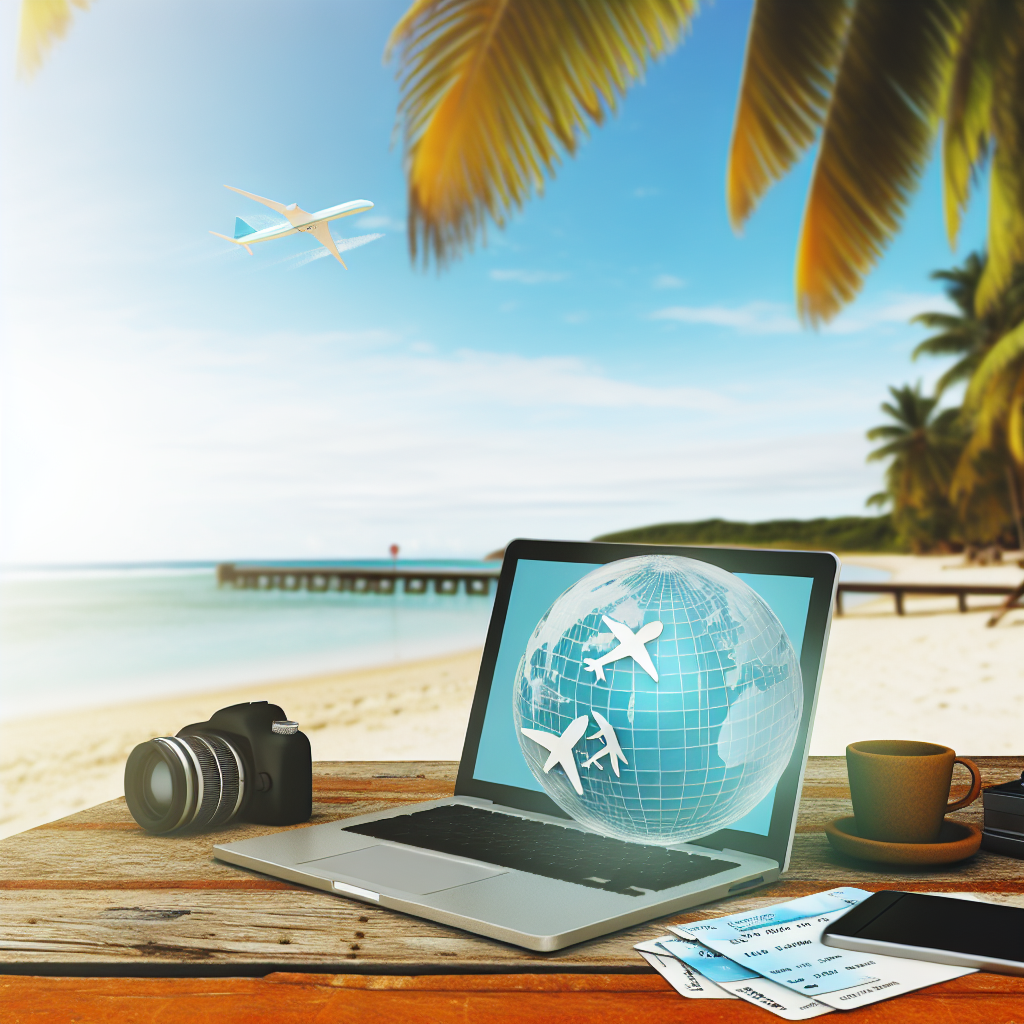
Introduction to the Legal Side of Digital Nomadism
Embracing the life of a digital nomad offers the allure of working from anywhere in the world, but it also comes with its own set of legal challenges. Whether it’s figuring out visas, understanding tax obligations, or setting up as a freelancer, staying legal can be a juggling act. Here’s a guide to help you navigate these essential aspects smoothly.
Choosing the Right Visa
Your Visa Options
When it comes to visas, digital nomads have various options. It’s important to choose one that suits your travel and work plans. Here are some common types:
- Tourist Visa: Many nomads start with a tourist visa, but it’s essential to check if working is allowed. In many countries, earning money on a tourist visa is prohibited.
- Business Visa: If you’re attending meetings or conferences, a business visa might be suitable. However, this often doesn’t cover consistent remote work.
- Digital Nomad Visa: Some countries, recognizing the digital nomad trend, offer specific visas that allow remote work legally.
Applying for the Right Visa
Applying for a visa involves understanding the regulations and paperwork required. Start by checking government websites or official sources for accurate information. Make sure you have all necessary documents, such as proof of income and health insurance, when applying.
Understanding Your Tax Obligations
Paying Taxes as a Nomad
Paying taxes while moving from country to country can get complicated. It’s crucial to understand where you owe taxes to avoid penalties. Here are some general guidelines:
- Home Country Taxes: Many countries expect their citizens to pay taxes on worldwide income, so check your country’s rules.
- Host Country Taxes: If you spend significant time in a foreign country, you might be considered a tax resident and liable for taxes there.
- Double Taxation: Look into treaties that prevent double taxation, which could save you from being taxed twice on the same income.
Consulting with a Tax Professional
A tax professional can help you navigate the complexities of international tax obligations and ensure you’re compliant in both your home and host countries. Their expertise can be invaluable, especially if you have income streams from multiple countries.
Setting Up as a Freelancer or Entrepreneur
Registering Your Business
If you’re freelancing or running a business as a digital nomad, consider where to register your business. Some popular options include:
- Home Country Registration: This can be straightforward, especially if you’re already familiar with the legal system.
- Offshore Registration: Some nomads choose countries with favorable tax policies for offshore business registration, but ensure it’s a legally sound decision.
Legal Considerations in Freelancing
Freelancers must address legal questions around contracts, payment methods, and client relationships. Use contracts to outline project terms, payment schedules, and intellectual property agreements clearly.
Staying Compliant with Local Laws
Researching Destination Laws
Each country has different laws that may affect your work. Simple things like internet usage or renting an office might have legal implications. Always research the local laws related to your lifestyle and work activities.
Cultural and Ethical Considerations
Being respectful of local customs and regulations straightforwardly aligns you with ethical considerations. This attitude not only avoids legal troubles but also smoothens your integration into new communities.
Conclusion: Enjoy Freedom While Staying Legal
Being a digital nomad means relishing the freedom to explore while working on your terms. By understanding visas, taxes, and business requirements, you can ensure that your lifestyle is both free and legally secure. Take the time to research and prepare, and enjoy the incredible adventures that come with being a global citizen.


