




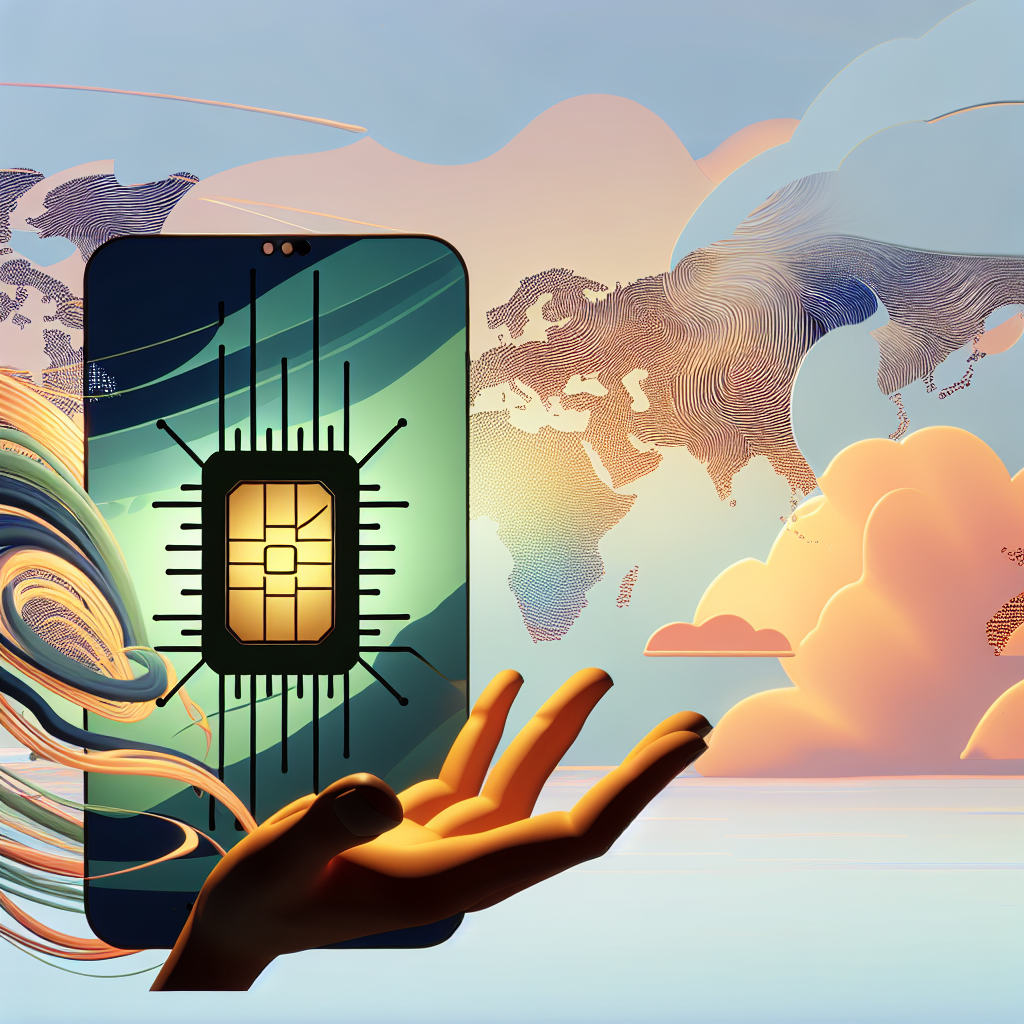
Understanding eSIM Technology
As a digital nomad, staying connected is essential to your lifestyle. Enter the eSIM—a technology that’s revolutionizing the way we use mobile networks. Simply put, an eSIM is a digital version of the physical SIM card, embedded directly into your device. This means you can switch between different network providers without needing a physical card, perfect for adventurers who hop from one country to another.
What is an eSIM?
An eSIM, or embedded SIM, is a small chip inside your phone or device that holds all the necessary data to access mobile networks. Unlike traditional SIM cards that you have to manually insert or remove, an eSIM can be programmed and updated remotely, offering a flexible and hassle-free alternative for global travelers.
Advantages of Using an eSIM
eSIMs come with several benefits that are particularly attractive for digital nomads. Here’s a closer look at why they are so advantageous:
- Flexibility: Switch between providers and plans without waiting for a new SIM card.
- Convenience: Activate new plans instantly, often from an app or online portal.
- Space-saving: Free up your phone’s SIM slot for local SIM cards if needed.
- Global accessibility: Most eSIM providers offer coverage in multiple countries.
Finding the Right eSIM Provider
Choosing an eSIM provider can seem daunting with so many options available. Here’s how to make this process straightforward and ensure you get the best deal:
Research and Compare
Start by researching various eSIM providers that cater to digital nomads. Check the coverage maps and see which ones offer service in your target destinations. Don’t hesitate to compare prices and read reviews to get a sense of the overall service quality.
Popular eSIM Providers
Here are a few well-known providers that cater to travelers:
- Google Fi: Known for its broad global coverage and simple pricing plans.
- Airalo: Offers affordable data packages in numerous countries.
- GigSky: Provides data plans that cover many international destinations.
- Truphone: Features flexible plans suitable for frequent travelers.
Steps to Get Started with an eSIM
Once you’ve chosen a provider, getting set up with an eSIM is pretty straightforward. Follow these steps to get started:
Check Device Compatibility
Ensure that your smartphone or tablet supports eSIM technology. Most newer models from popular brands like Apple, Samsung, and Google have this capability. Check your device specifications to confirm.
Purchase an eSIM Plan
Go to the provider’s website or app and select a plan that suits your needs. You’ll typically find options that vary by data limit, duration, and price.
Follow Activation Instructions
After purchasing, you’ll receive detailed activation steps, which usually includes scanning a QR code through your phone to install the eSIM profile. Follow these instructions carefully to ensure your eSIM is set up correctly.
Maximizing Your eSIM Experience
Having an eSIM is a great move, but to maximize its potential, consider these tips:
Monitor Your Usage
Keep an eye on your data use to avoid unexpected charges. Most providers offer apps that help track your consumption in real time.
Know Your Coverage
Before traveling, double-check the coverage areas of your eSIM provider to ensure you won’t encounter any connectivity surprises.
Stay Informed on Policies
Keep yourself updated on the provider’s policies regarding data rollover and additional charges. This will help you make informed decisions and avoid surprises on your bill.
Conclusion
eSIMs offer digital nomads unparalleled flexibility and convenience, making it easier than ever to stay connected while exploring the world. By understanding eSIM technology, choosing the right provider, and setting up your eSIM carefully, you can enjoy seamless connectivity wherever your travels take you. Safe journeys and happy browsing!


