




“`html
Introduction to Digital Nomads
Digital nomads are individuals who use technology to work remotely, often traveling to different locations around the world. With the rise of internet connectivity and remote jobs, digital nomads are gaining popularity, bringing unique opportunities to the destinations they choose to visit.
Economic Benefits for Small Island Developing States (SIDS)
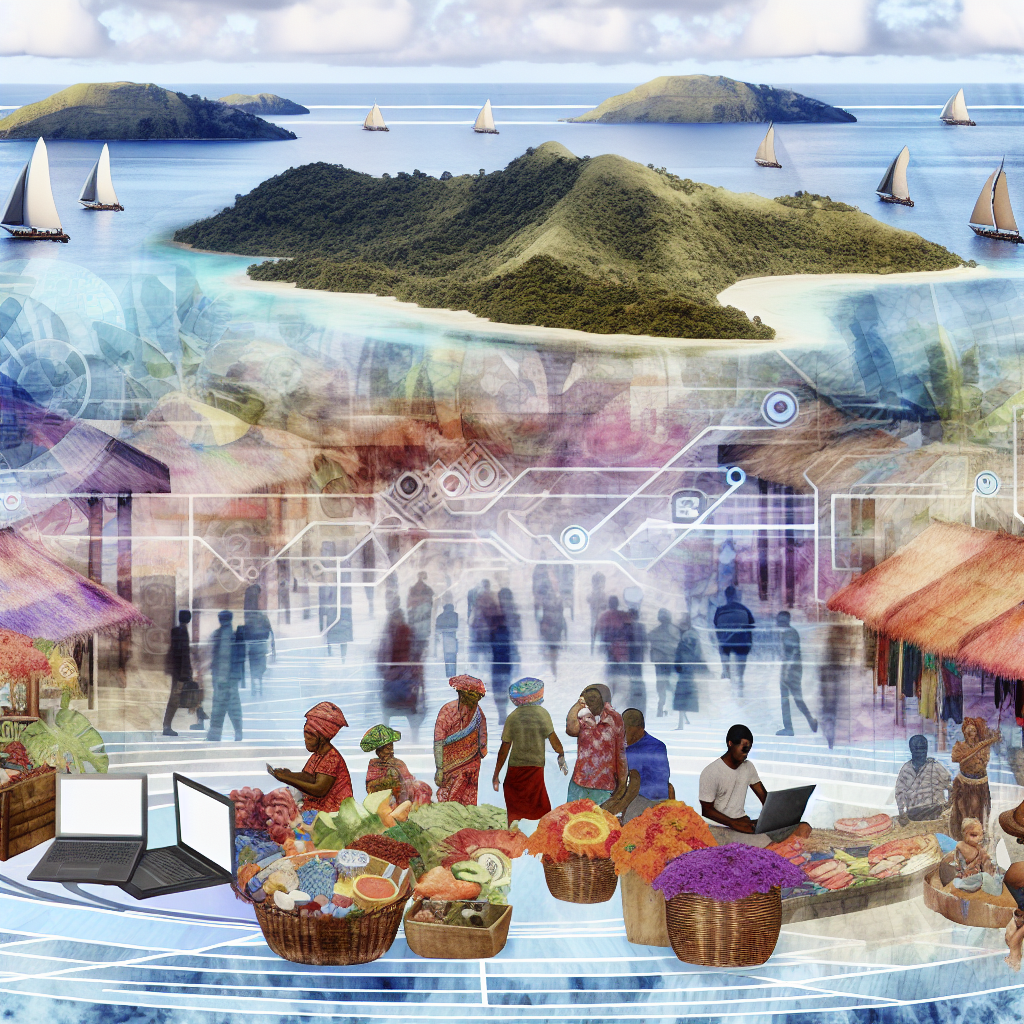
Small Island Developing States (SIDS) are particularly poised to benefit from the influx of digital nomads. Here’s why:
- Extended Stays: Unlike regular tourists who stay for short periods, digital nomads often settle for months. This means more patronage for local businesses such as cafes, co-working spaces, and rentals.
- Diverse Spending: Digital nomads spread their spending across various sectors, giving a balanced boost to the economy, from hospitality to local crafts and services.
Transforming Tourism in SIDS
The lifestyle and work habits of digital nomads can reshape the tourism landscape in these regions:
- Off-Peak Travel: They tend to travel during off-peak seasons, aiding year-round economic stability for the tourism sector.
- Cultural Exchange: Digital nomads often immerse deeply in local culture, fostering global cultural exchanges that enrich both the nomads and the host communities.
The Role of Infrastructure
For SIDS to attract digital nomads, certain infrastructure enhancements are crucial:
- Reliable Internet: Fast and stable internet connections are essential for remote work.
- Co-Working Spaces: Offering modern and comfortable spaces for work can be a significant attraction.
- Supportive Policies: Flexible visa policies and business-friendly regulations encourage longer stays.
Challenges and Considerations
While digital nomadism offers many benefits, there are challenges to address:
- Environmental Impact: Increased travel can strain local resources and impact the environment. Sustainable practices are necessary to mitigate this.
- Social Integration: Ensuring that digital nomads integrate well with local communities without overwhelming them is essential.
Practical Tips for SIDS
SIDS can maximize the benefits of hosting digital nomads with these strategies:
- Marketing Efforts: Highlight your unique cultural and natural attractions to stand out.
- Foster Community Engagement: Encourage events and activities where digital nomads and locals can interact and collaborate.
- Promote Sustainability: Advocate for eco-friendly practices among visitors.
Conclusion
Digital nomads represent a growing segment of travelers who can significantly impact the tourism and economy of Small Island Developing States. By embracing this trend and making strategic investments in infrastructure and policies, SIDS can harness these benefits while ensuring sustainable growth.
“`


