




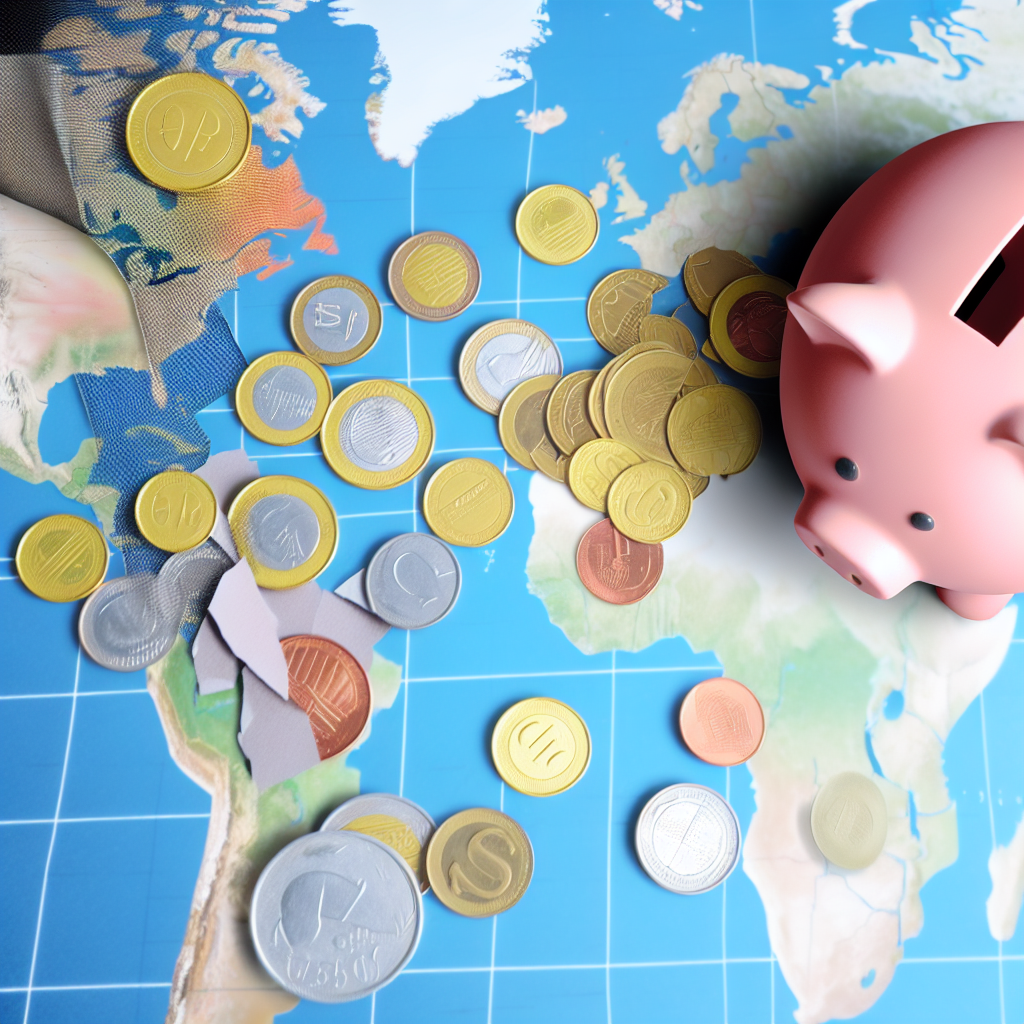
Travel Budgeting: Preparing for the Unexpected
Planning a trip? Exciting! But travel costs can be unpredictable. Flights get delayed, tours cost more than you thought, and that amazing street food? Well, sometimes it leads to needing medicine. A flexible budget can help you handle these surprises and still enjoy your adventure.
Why a Flexible Budget Matters
A rigid budget might seem smart, but it can quickly fall apart when things don’t go as planned. A flexible budget acknowledges that things will change. It gives you wiggle room to adjust without stressing out about overspending. It’s like having a travel safety net.
Creating Your Flexible Travel Budget
Let’s break down how to build a budget that bends without breaking.
1. Estimate Your Core Expenses
Start with the basics. These are the things you know you’ll need to pay for:
- Transportation: Flights, trains, buses, rental cars. Get quotes and book in advance where possible.
- Accommodation: Hotels, hostels, Airbnb. Compare prices and read reviews.
- Food: Estimate a daily food budget based on your eating habits and destination.
- Activities: Entrance fees, tours, excursions. Look for discounts online.
- Visa and Travel Insurance: Don’t forget these essentials!
Research average costs for each category in your destination. Websites like Budget Your Trip can be helpful for getting ballpark figures.
2. Add a Buffer for Unexpected Costs
This is the key to flexibility! Aim to add 10-20% of your total estimated budget as a contingency fund. This covers those surprise expenses, like:
- Medical Expenses: A visit to the doctor or pharmacy.
- Transportation Delays: Unexpected taxi fares or overnight stays.
- Lost or Stolen Items: Replacing a phone or wallet.
- Spontaneous Activities: That last-minute concert or cooking class.
Consider this buffer as money you *hope* you won’t need, but are prepared to use.
3. Track Your Spending Daily
Keep a close eye on where your money is going. Use a budgeting app, spreadsheet, or even a simple notebook to track your expenses each day. This helps you identify areas where you might be overspending and adjust accordingly. It’s much easier to trim spending early than to realize you’ve blown your budget halfway through your trip.
4. Identify Areas Where You Can Cut Back
If you find yourself exceeding your daily budget, look for ways to save money. Can you:
- Eat at cheaper restaurants? Street food can be both delicious and budget-friendly.
- Take public transport instead of taxis?
- Find free activities? Parks, museums with free admission days, walking tours.
- Negotiate prices? This is common in some countries, especially at markets.
5. Be Prepared to Adjust Your Itinerary
Sometimes, the best way to stay within budget is to change your plans. Maybe that expensive tour isn’t worth it, or perhaps you can find a cheaper way to get to your next destination. Being flexible with your itinerary allows you to prioritize experiences and make smart financial decisions.
Tips for Saving Money Before You Go
Budgeting starts long before you pack your bags. Here are some ways to save money before your trip even begins:
- Travel During the Off-Season: Prices for flights and accommodation are often lower during the off-season.
- Book Flights and Accommodation in Advance: You can often find better deals by booking early.
- Use Travel Rewards Programs: Earn points or miles on flights and hotels.
- Pack Light: Avoid checked baggage fees.
- Notify Your Bank: Let them know your travel dates to avoid any issues with your cards.
What if You Exceed Your Budget?
Don’t panic! It happens. Here are some things you can do:
- Tap Into Your Contingency Fund: This is what it’s for!
- Reduce Spending: Cut back on non-essential expenses.
- Find Free Activities: Explore your destination without spending money.
- Consider Shortening Your Trip: If necessary, cut your trip short to avoid going into debt.
Frequently Asked Questions
How much should I budget for food per day?
This depends on your destination and eating habits. Research average food costs and adjust based on your preferences. As a very rough estimate, in Southeast Asia, you might get by on $15-$25/day, while in Western Europe, you would likely need at least $40-$60/day.
Is travel insurance really necessary?
Yes! Travel insurance can protect you from unexpected medical expenses, trip cancellations, and lost or stolen belongings. It’s a worthwhile investment for peace of mind.
How can I find cheap flights?
Use flight comparison websites, be flexible with your travel dates, and consider flying into smaller airports. Booking flights well in advance or at the last minute can sometimes yield good deals.
Enjoy Your Adventure!
A flexible travel budget is your roadmap to a stress-free and enjoyable trip. By planning ahead, tracking your spending, and being prepared for the unexpected, you can explore the world without breaking the bank. Remember, the goal is to have fun and create memories that will last a lifetime. For cool travel gadgets that can make your journey even smoother, be sure to check out Mavigadget’s travel gadgets collection.
“`


