




Emergency Planning for Expats: A Guide to Staying Safe
Moving to a new country is exciting! New cultures, new foods, new experiences. But it’s also important to think about safety. What happens if something unexpected occurs? Being prepared can make a big difference. This guide will help you create an emergency plan for your life abroad.
Create Your Emergency Plan
A solid emergency plan is your first line of defense. It doesn’t have to be complicated. The main goal is to think through potential problems and figure out how you will respond.
Identify Potential Risks
Every country has its own risks. Think about the natural disasters that might happen where you live. Are earthquakes, hurricanes, or floods common? Consider local crime rates. Are there any political instabilities? Knowing the risks will help you plan.
Emergency Contacts
Make a list of important phone numbers and email addresses. Include local emergency services (police, fire, ambulance), your country’s embassy or consulate, and family and friends back home. Keep this list in multiple places – on your phone, in your wallet, and in a safe place in your home.
Communication Plan
How will you communicate with people if the internet or phone lines are down? Discuss this with your family and friends. Consider using a satellite phone or a pre-paid international phone card. Agree on a meeting point in case you get separated.
Evacuation Plan
If you need to leave your home quickly, where will you go? Figure out the best evacuation routes from your home and workplace. Know where the nearest safe shelters are located. Pack a “go bag” with essential supplies.
Important Documents: Keep Them Safe
Your documents are your lifeline, especially when you’re far from home. Protect them carefully.
Passport and Visa
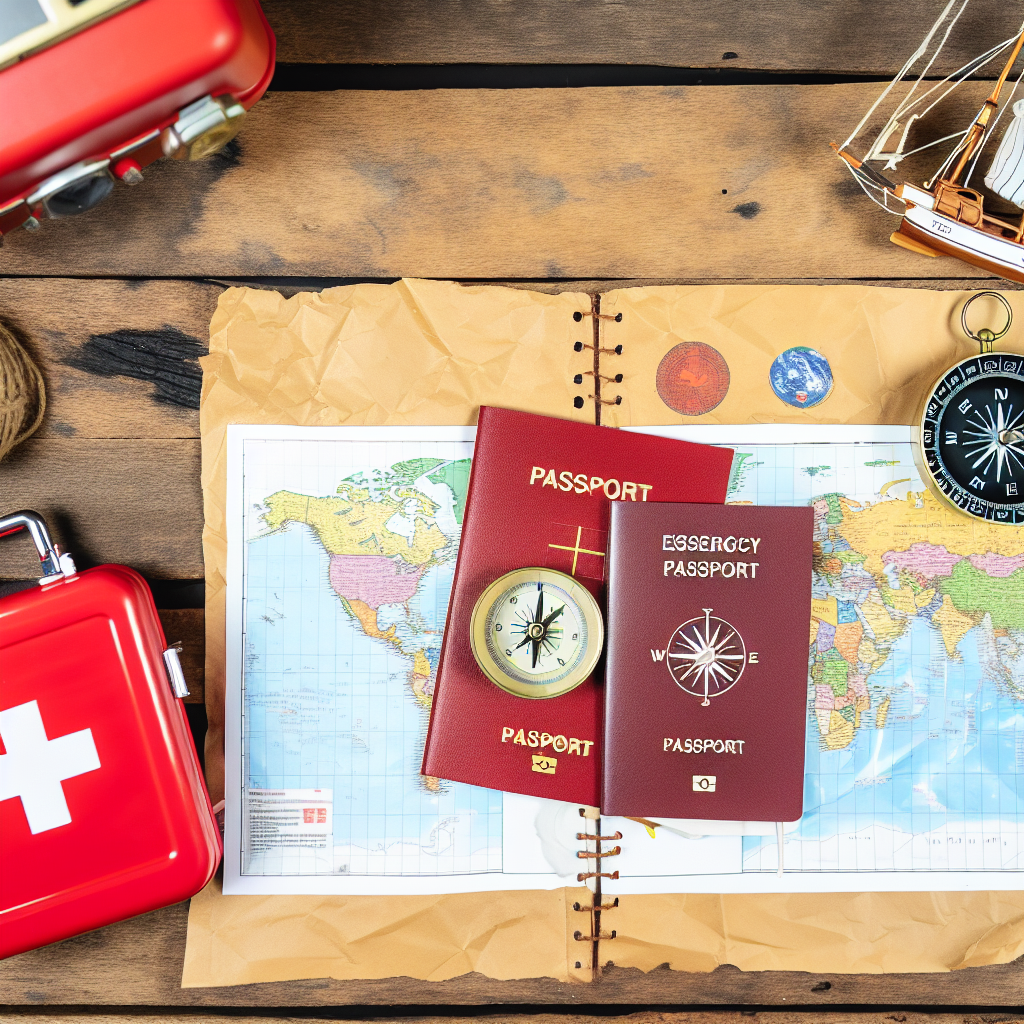
Keep your passport and visa in a safe place. Make copies and store them separately. Consider scanning them and saving them to a secure cloud storage account. If your passport is lost or stolen, contact your embassy or consulate immediately.
Insurance Information
Make sure you have adequate health insurance coverage. Understand what your policy covers and what it doesn’t. Keep a copy of your insurance card with you and another copy at home. Also, have access to your policy documents online.
Financial Documents
Keep copies of your bank account information, credit card numbers, and any other important financial documents. Store these securely, both physically and digitally. Notify your bank and credit card companies of your travel plans to avoid having your cards blocked.
Other Important Documents
Don’t forget other essential documents like your birth certificate, driver’s license, and any medical records. Having these readily available can be helpful in various situations.
Staying Informed and Connected
Knowledge is power. Staying informed about what’s happening around you is crucial for your safety.
Local News and Alerts
Follow local news outlets to stay up-to-date on current events. Sign up for emergency alerts from local authorities. Be aware of any travel advisories issued by your home country.
Learn the Local Language
Knowing some of the local language can be incredibly helpful in an emergency. You’ll be able to understand warnings and ask for help if needed. Even basic phrases can make a big difference.
Connect with Other Expats
Join expat groups online or in person. Other expats can offer valuable advice and support. They can share information about local resources and help you navigate unfamiliar situations.
Health and Safety Considerations
Your health and safety are paramount. Take steps to protect yourself.
Medical Care
Find out where the nearest hospitals and clinics are located. Learn about the local healthcare system. If you have any pre-existing medical conditions, make sure you have enough medication to last. Speak to your doctor before leaving your home country about required vaccines for your destination.
Food and Water Safety
Be careful about what you eat and drink. Drink bottled water or purified water. Avoid eating street food from vendors you don’t trust. Wash your hands frequently.
Personal Safety
Be aware of your surroundings. Avoid walking alone at night in unsafe areas. Don’t flash expensive jewelry or electronics. Learn some basic self-defense techniques. Trust your instincts – if something feels wrong, leave the situation.
Financial Preparedness
Emergencies often come with unexpected costs. Be prepared financially.
Emergency Fund
Set aside an emergency fund to cover unexpected expenses like medical bills, travel costs, or temporary accommodation. Aim to save at least three to six months’ worth of living expenses.
Access to Funds
Make sure you have easy access to your funds. Keep some cash on hand in case ATMs are not working. Consider having a credit card with a high credit limit.
Mental and Emotional Well-being
Living abroad can be stressful, especially during an emergency. Take care of your mental and emotional well-being.
Stay Connected
Maintain regular contact with family and friends back home. Talk to them about your experiences and feelings. Having a strong support system can make a big difference.
Seek Professional Help
If you’re struggling to cope, don’t hesitate to seek professional help. Many therapists offer online sessions. Your embassy or consulate may also be able to provide mental health resources.
Final Thoughts
Living abroad is an incredible experience. By taking the time to plan for emergencies, you can enjoy your adventure with greater peace of mind. Remember to stay informed, stay connected, and stay safe. And for helpful tools to aid in your preparations and travels, be sure to check out the awesome selection of travel gadgets at Mavigadget!
“`


